SEO 2.0: How Content Marketing Drives Visibility in AI Search
The next evolution of SEO: AI systems increasingly decide which brands and content get recommended to users. Learn which content signals AI systems actually cite and how to adapt your strategy.
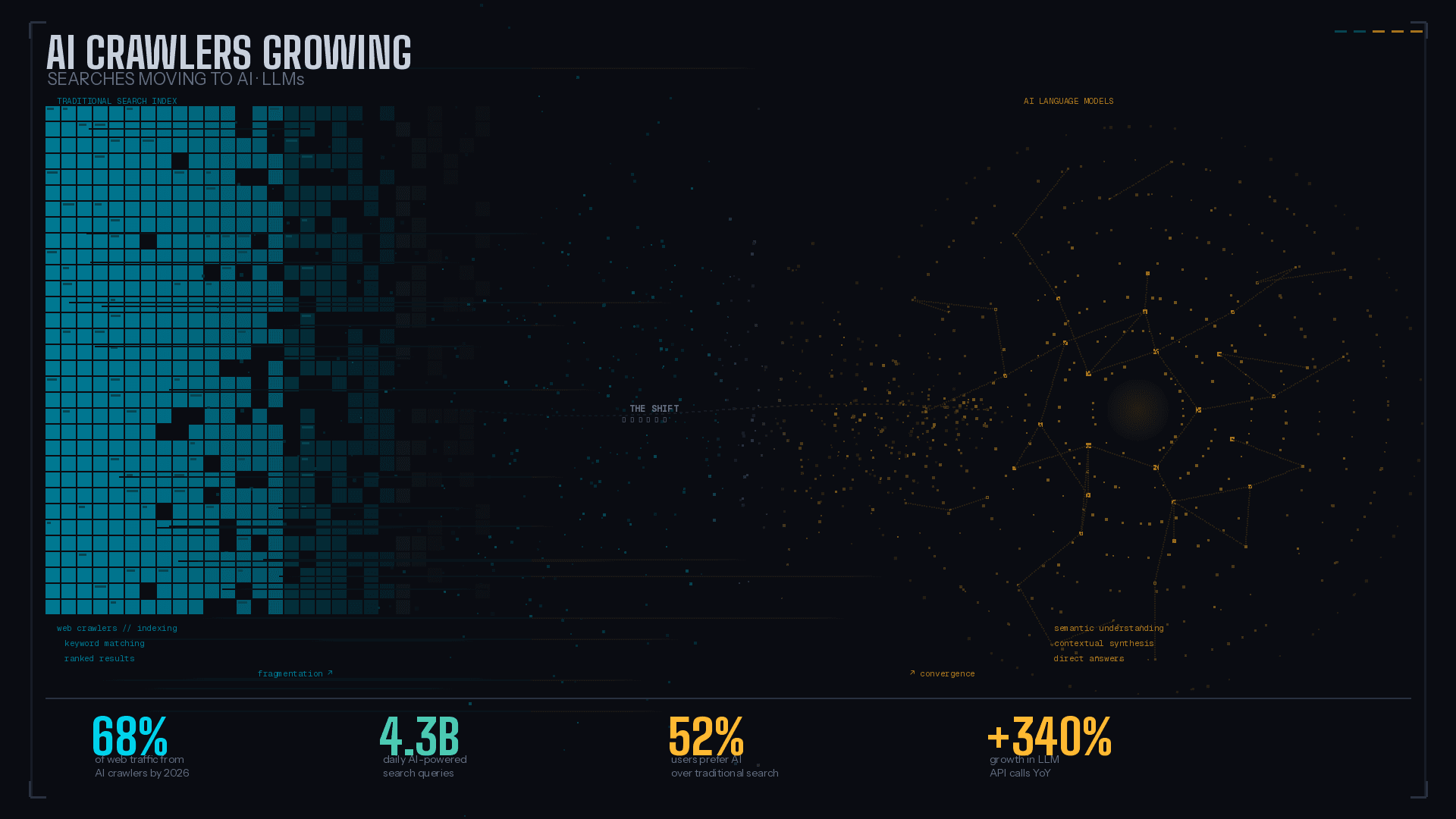
The way people discover brands and content is fundamentally changing. AI-based search systems like ChatGPT, Google AI Mode, and Gemini no longer just deliver links. They provide direct answers and recommendations. The critical question is: Is your content being cited?
An on-demand webinar from Search Engine Journal (March 24, 2026), hosted by Heather Campbell in collaboration with Ahrefs, provides a practical framework for creating content that is visible both in traditional search results and AI recommendations.
What Changes with SEO 2.0
Traditional SEO optimized for keywords and rankings on a results page. SEO 2.0 goes further: it's about being cited as a trusted source in AI-generated answers. The difference is fundamental:
- Traditional SEO: Users see your page in a link list and decide whether to click.
- SEO 2.0: The AI decides whether your content is trustworthy enough to serve as a source in a synthesized answer.
This means you're no longer just competing for clicks but for the role of citable authority in a topic area.
How AI Systems Evaluate and Cite Content
Large Language Models (LLMs) go through several steps before citing a source:
- Retrieval: The system searches its index for documents relevant to the user query.
- Evaluation: Found sources are assessed for authority, recency, and content depth.
- Synthesis: The best sources are processed into a coherent answer.
- Citation: Sources that provide specific facts, data, or unique perspectives are referenced.
Which Content AI Cites Most
Not all content has the same chance of appearing in AI answers. The formats with the highest citation rates:
- Comprehensive comparison pages: "Best X for 2026" formats that contrast multiple options with clear pros and cons.
- Data-driven analyses: Content with original statistics, survey results, or benchmarks is preferentially cited.
- Structured guides: Clearly organized how-to content with heading hierarchies that answer multiple related questions on one page.
- Expert opinions with references: Content that backs claims with verifiable sources.
Off-Site Signals: Why Mentions Beyond Your Website Matter
AI systems evaluate not just your own content, but how often and where your brand is mentioned across the web:
- Industry publications: Mentions in trade media signal topical authority.
- Review platforms: Consistent positive reviews across multiple platforms strengthen trust signals.
- Social proof: Discussions on Reddit, industry forums, and social media provide AI with additional context.
- Backlinks from authoritative sources: Remain a strong signal for trustworthiness in the AI era.
Traditional SEO Advantages That Still Apply
SEO 2.0 doesn't replace everything from traditional SEO. These fundamentals retain their impact:
- Technical SEO foundation: Fast load times, clean architecture, mobile optimization, and schema markup.
- Content quality: E-E-A-T (Experience, Expertise, Authority, Trustworthiness) remains the gold standard.
- Internal linking: Topic clusters with clear hierarchy help both search engines and AI systems recognize your expertise.
- Freshness: Regularly updated content with year anchoring (e.g., "2026") is preferred.
A Practical Framework for AI-Visible Content
- Identify topic gaps: Ask ChatGPT and Gemini the same questions your target audience asks. Where aren't you cited? Those are your gaps.
- Clusters over single pages: Create comprehensive hub pages covering an entire topic with links to detailed sub-pages.
- Prioritize facts and data: AI preferentially cites specific numbers, statistics, and verifiable claims. Integrate your own data wherever possible.
- Front-load key information: Studies show AI predominantly cites the first 30% of a page. Place core claims and data accordingly.
- Build off-site presence: Invest in guest posts, PR, review management, and community engagement.
The future of search engine optimization lies not just in rankings, but in the ability to be cited as a trusted source by AI systems. Those who adapt their content strategy now are positioning themselves for the next decade of digital visibility.
Based on the SEJ on-demand webinar "SEO 2.0: How Content Marketing Drives Visibility in AI Search" (Heather Campbell / Ahrefs), March 24, 2026. Watch the webinar